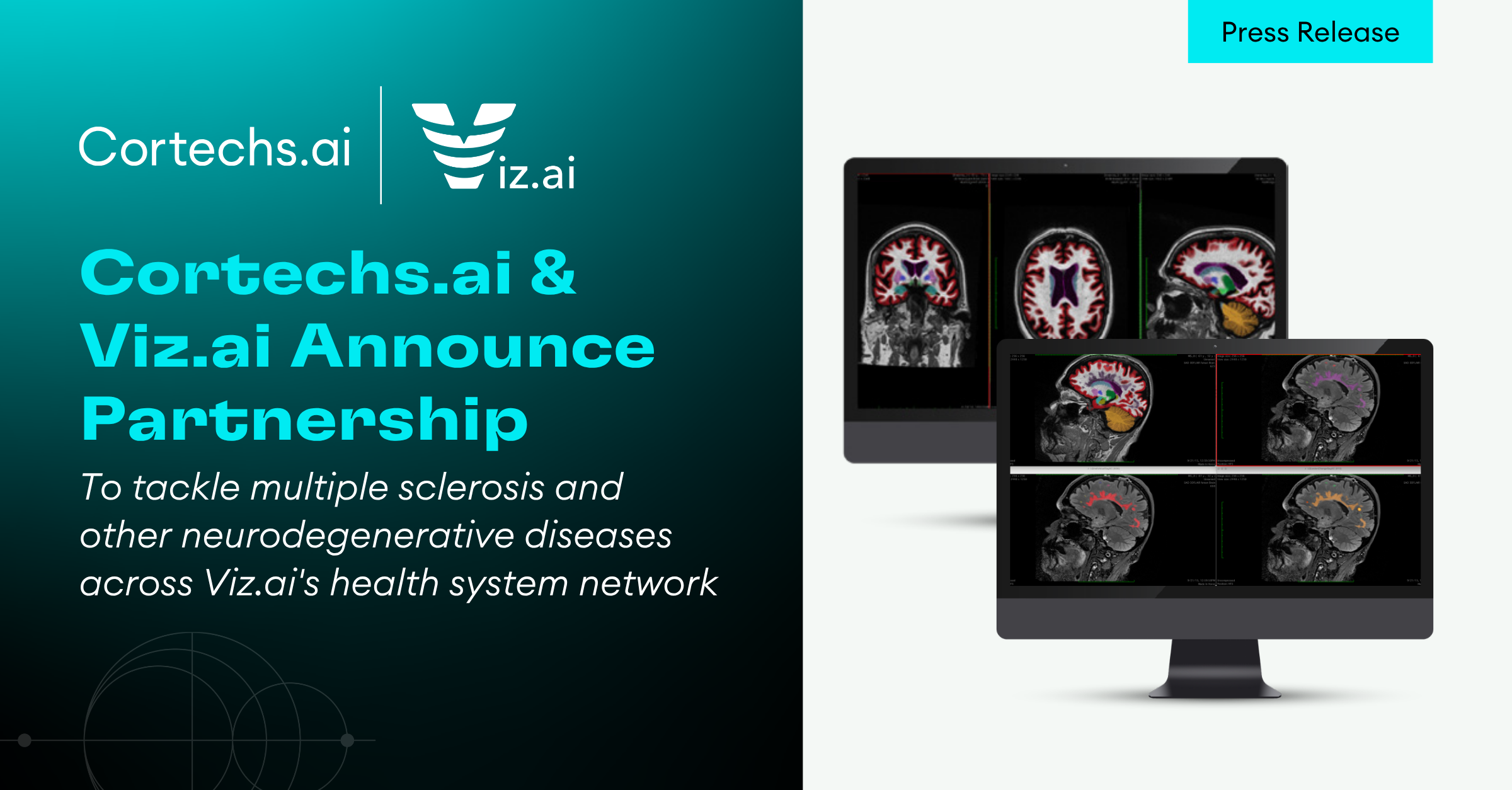
Brain tumor imaging is one of the most demanding areas in neuroradiology. Every scan carries weight for the radiologist reading it, the surgeon planning around it, the oncologist tracking response to therapy, and most of all, the patient waiting on answers. With the release of NeuroQuant Brain Tumor v2.1, we’re taking another meaningful step forward in helping clinical teams move from image to insight faster and with greater confidence.
This release brings substantial upgrades to two of the most clinically important models in our portfolio: glioma segmentation and meningioma segmentation. Both reflect months of focused work informed by real-world clinical feedback, expanded training data, and refinements to the underlying architecture. Before we dig into what’s new, it’s worth pausing on something that often gets overlooked in conversations about medical AI: the models themselves and the careful, ongoing work of building them.
Why Model Development Is the Real Story
It’s tempting to think of an AI imaging product as the interface through the viewer, the report, the dashboard, or the integration with the PACS. Those things matter, but none of them work without the engine underneath: the model. Every measurement, every contour, every flagged finding traces back to a model that was painstakingly trained, validated, and refined to do one specific job extraordinarily well.
That’s why model development isn’t just a feature of what we do; it’s the foundation. A polished product built on a mediocre model is, at best, a comfortable way to deliver unreliable answers. A great model, by contrast, raises the ceiling on everything built around it. It makes the workflow smoother, the report more trustworthy, and the clinician’s experience more confident. It’s the difference between software that looks useful and useful software.
Building strong models takes time, discipline, and a healthy respect for the complexity of real-world imaging. It means curating diverse, high-quality training data that reflects the full range of patients, scanners, and pathologies clinicians actually see. It means rigorous validation against expert ground truth; not just on the easy cases, but specifically on the hard ones. It means listening closely to the radiologists, neurosurgeons, and oncologists who use the output every day, and feeding their observations back into the next iteration. And it means resisting the temptation to chase headlines with novel architectures when the real work is in the careful, unglamorous engineering that makes a model dependable.
This is the work that produces the kind of incremental, compounding improvements that define version 2.1, and the kind of trust that lets clinical teams include AI as part of their day-to-day practice.
Updated Models in NeuroQuant Brain Tumor v2.1.0
NeuroQuant Brain Tumor v2.1 delivers updates to our glioma and meningioma segmentation models, improving boundary definition, sub-region delineation, and consistency across a wider range of real-world presentations.
These model updates were evaluated not only on segmentation quality, but on what they mean in day-to-day practice, helping clinical teams move from image to insight with less friction.
Better models are only useful if they fit into the rhythm of clinical practice. That’s why every improvement in v2.1 was evaluated not just on segmentation quality, but on what it means for the people using the output every day:
- Faster reporting. When the models are better, structured reports come together faster, with less back-and-forth between viewing and reporting tools.
- More consistent longitudinal tracking. Improved stability across scans makes it easier to detect genuine change over time, supporting more confident treatment decisions.
- Smoother integration into existing workflows. Version 2.1 slots into the same workflows clinical teams are already using, no relearning, no disruption.
These workflow gains are the downstream effect of stronger models, and they compound as the underlying segmentation suite continues to mature.
Investing in the Foundation, Release After Release
Each version of NeuroQuant Brain Tumor represents a snapshot of where the science, the data, and the clinical feedback have brought us. But the work doesn’t stop at release. The most important thing we can offer the clinical community isn’t any single model; it’s a sustained commitment to making those models better, version after version, on the dimensions that actually matter at the scanner and the reading station.
That’s why we treat model development as a long-term investment, not a one-time project. New training data flows in. New edge cases get surfaced. New validation studies get run. New ideas from the research community get tested against the practical realities of clinical use. All of that effort crystallizes into releases like v2.1, ones that are better than what came before, in ways clinicians can feel.
Why This Matters
Behind every model update is a simple goal: give clinical teams tools they can trust, on the cases that matter most. Brain tumors are exactly those cases. Patients facing a brain tumor diagnosis are navigating one of the hardest moments of their lives, and the clinicians caring for them deserve technology that earns its place in the workflow.
Version 2.1 reflects our continued commitment to that standard and to the deeper truth that great AI imaging products are built on great models, not the other way around. We’re proud of what this release delivers, and even more excited about what’s ahead. The roadmap for our portfolio is full, and v2.1 is one more step toward AI that consistently meets the bar that clinical teams set for it.