The American Academy of Neurology (AAN) continues to serve as one of the most influential forces in advancing neurologic care, bringing together clinicians, researchers, and industry leaders to shape the future of the field. Each year, the AAN Annual Meeting provides a unique forum for sharing innovation, discussing emerging challenges, and aligning on best practices across the neurologic care continuum.
A Hub for Clinical Excellence and Innovation
At its core, the AAN is dedicated to elevating the standard of neurologic care through education, research, and evidence-based guidelines. The annual meeting reflects this mission, highlighting advancements across neurodegenerative disease, neuroimmunology, epilepsy, movement disorders, and beyond.
Increasingly, these conversations are being shaped by the rise of:
- Quantitative neuroimaging
- AI-driven clinical quantification tools
- Biomarker-based diagnosis and monitoring
- Disease-modifying therapies, particularly in Alzheimer’s disease
As these innovations mature, the focus is no longer just on what is possible, but on how to effectively integrate these tools into real-world clinical workflows.
Bridging Innovation and Clinical Adoption
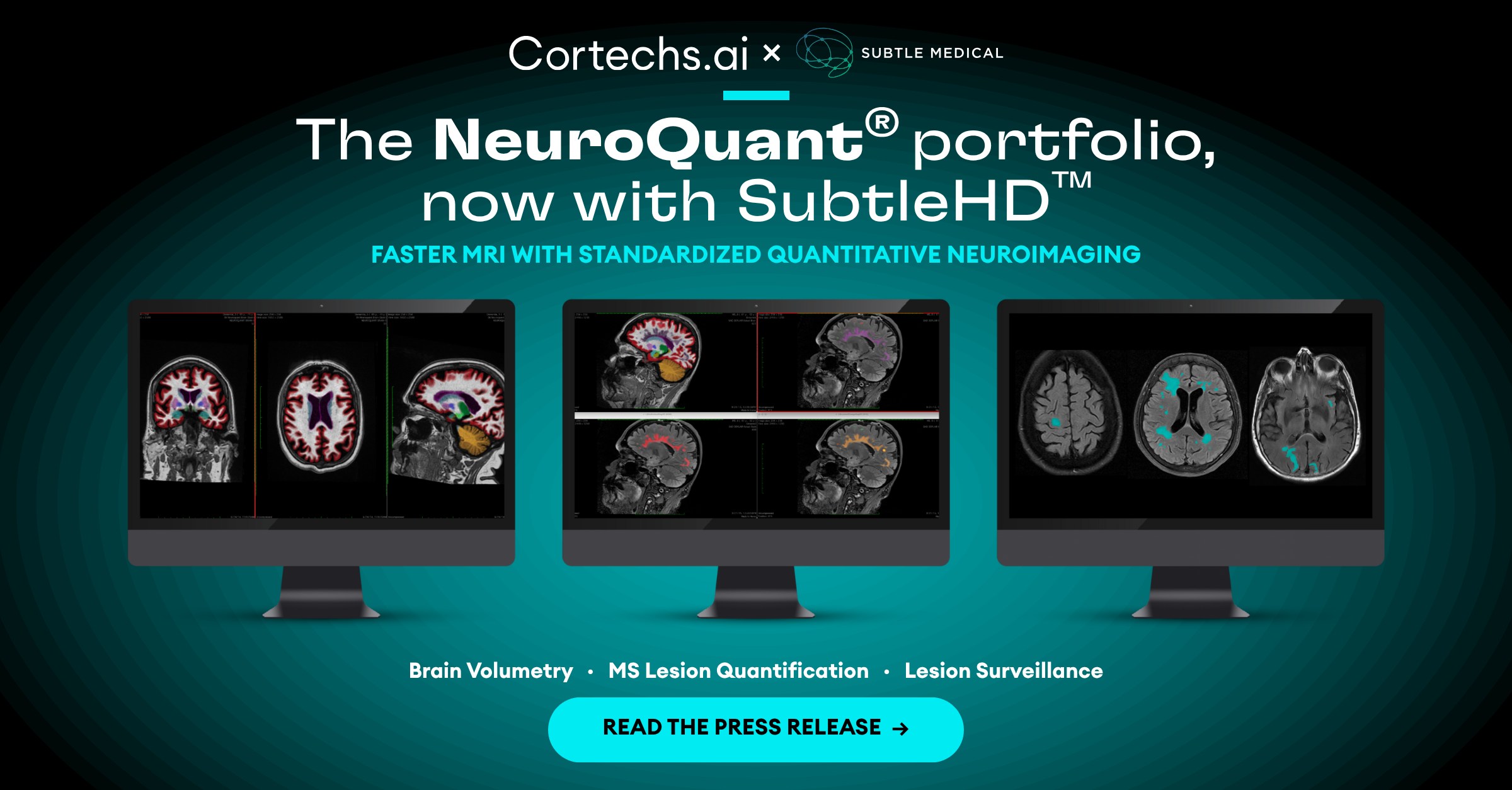
At this year’s AAN Annual Meeting, we highlighted our full portfolio of neurologic imaging solutions, with a focus on bridging the gap between technological capability and clinical adoption.
A central theme of our engagement was education and workflow alignment.
While neuroradiologists remain the primary interpreters of advanced imaging, neurologists play a critical role in initiating and guiding the diagnostic pathway. Ensuring that the right analyses are ordered at the right time is essential to unlocking the full value of quantitative imaging.
Through targeted discussions and demonstrations, we focused on:
- Empowering neurologists to confidently order NeuroQuant analyses
- Clarifying how these tools integrate seamlessly into existing radiology workflows
- Demonstrating how objective, reproducible metrics can enhance diagnostic confidence and longitudinal patient management
This reinforces a collaborative model, where neurologists and neuroradiologists work in tandem, ensuring that advanced imaging is not only available but effectively utilized to improve patient outcomes.
The Expanding Role of Quantitative Imaging
The increasing complexity of neurologic disease, particularly in areas like Alzheimer’s disease and multiple sclerosis, demands more than subjective interpretation alone. Quantitative imaging provides an opportunity to standardize assessments, reduce variability, and track subtle changes over time.
However, adoption depends on more than technology. It requires:
- Clear clinical use cases
- Defined roles across specialties
- Education on when and how to use these tools
- Alignment with reimbursement and workflow realities
Organizations like the AAN play a critical role in facilitating these conversations, helping ensure that innovation translates into meaningful clinical impact.
Advocacy, Policy, and the Path Forward
Beyond clinical education, the AAN continues to lead in advocacy, addressing key issues such as access to care, reimbursement, and the integration of new technologies into clinical practice.
As advanced imaging and AI-driven tools become more prevalent, clear guidance and policy support will be essential to:
- Ensure appropriate utilization
- Support reimbursement pathways
- Promote equitable access to care
Looking Ahead: A More Integrated Future
The future of neurologic care will be defined by integration, bringing together clinical expertise, advanced imaging, and data-driven insights into a cohesive care model.
Events like the AAN Annual Meeting highlight not only the pace of innovation but also the importance of aligning stakeholders across the healthcare ecosystem.
As quantitative imaging and biomarker-driven care continue to evolve, collaboration between neurologists, neuroradiologists, and industry partners will be essential in translating these advancements into improved patient outcomes.