Cortechs.ai | Neuroimaging biomarkers for AD

Neuroimaging biomarkers for AD

Structural Functional And Molecular Neuroimaging Biomarkers For Alzheimer’s Disease

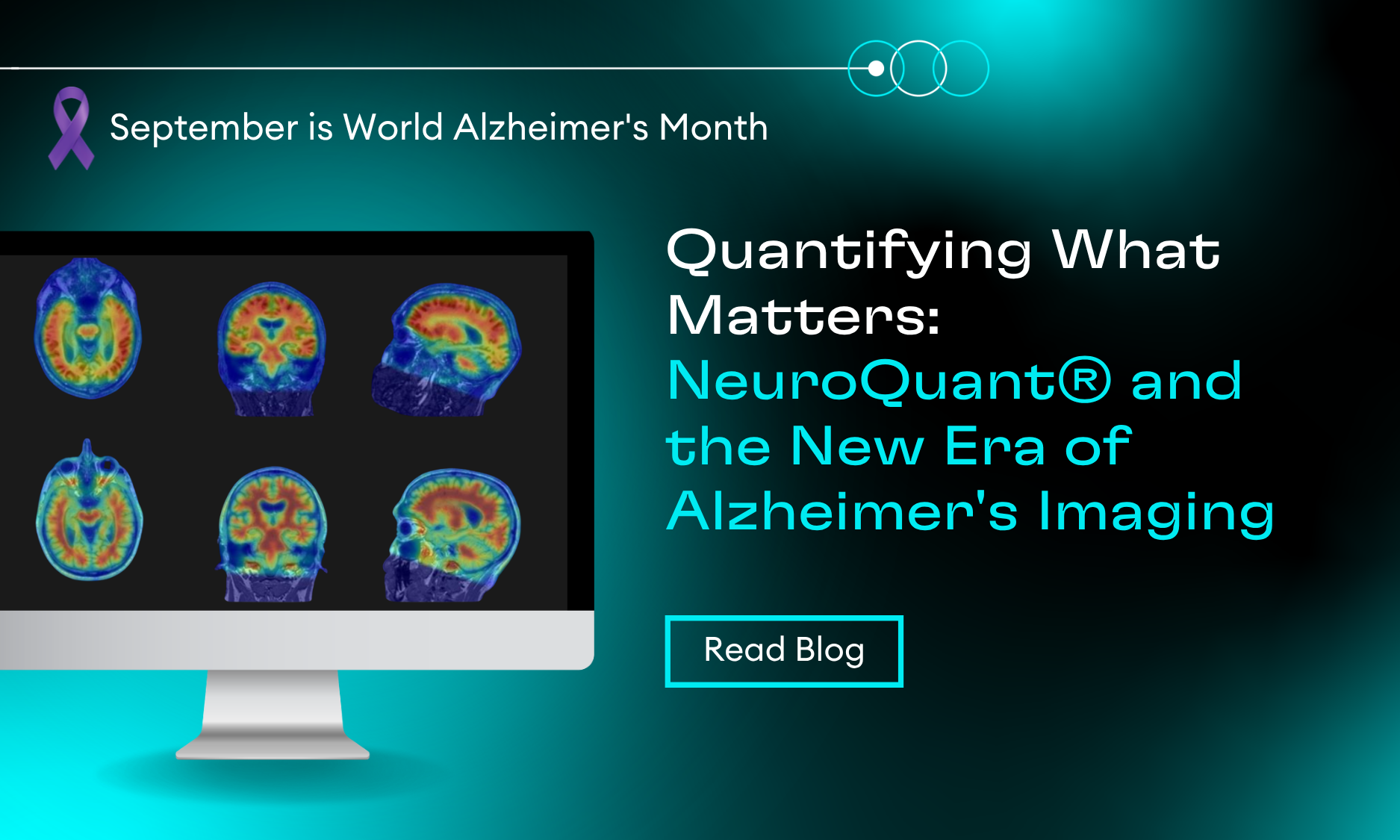
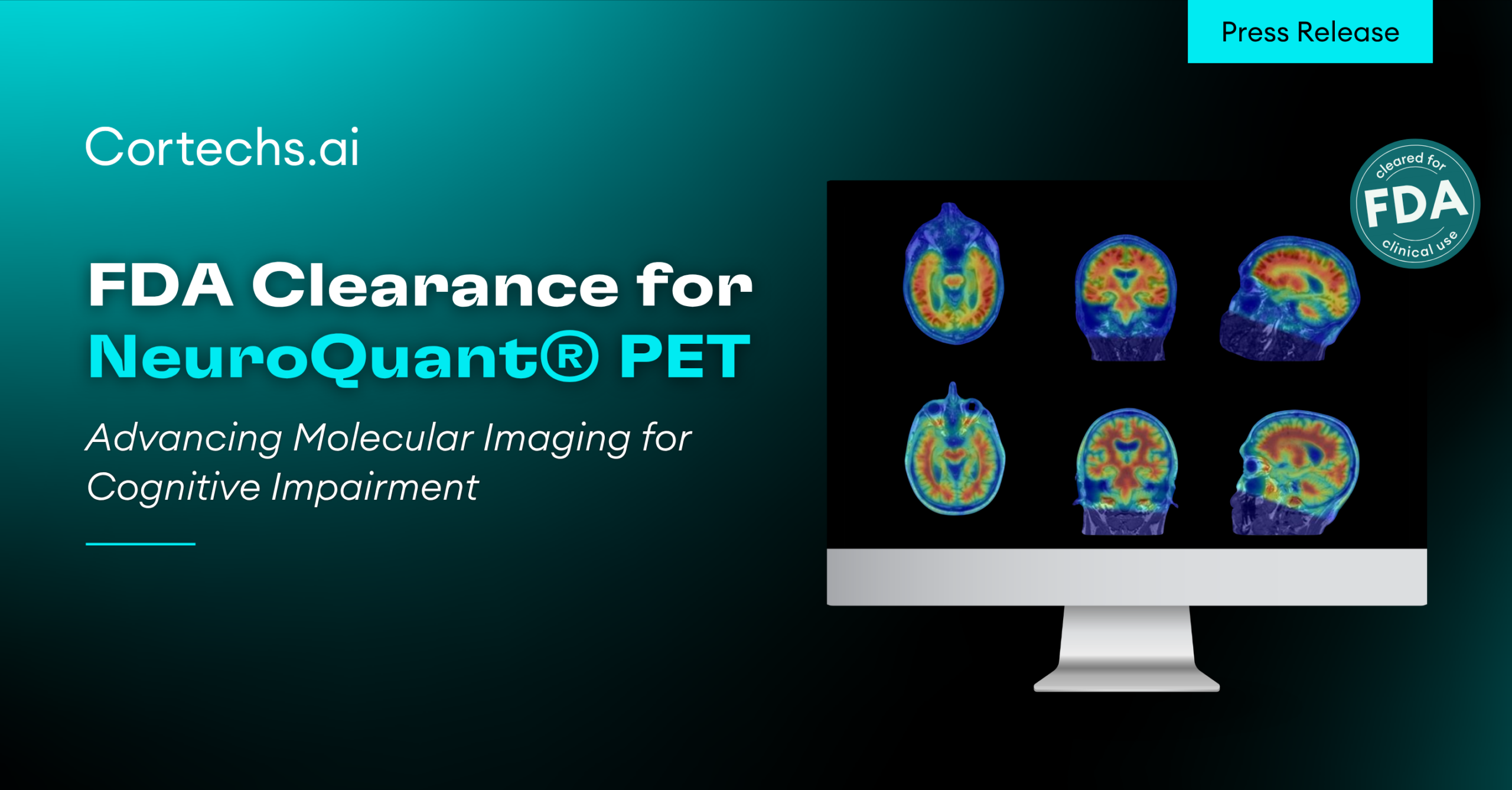
Magnetic resonance spectroscopy (MRS) has long showed promise for detection of regional chemical changes associated with neurodegeneration, infl ammation, or gliosis, and so it has been a technique of interest for detecting such changes in AD. It provides information about relative concentrations of key chemicals, such as N acetylaspartate, creatinine, and myoinositol, and there is strong evidence that the regional concentration of these chemicals varies with the neurodegeneration seen in AD. (2013).

[button]Download[/button]

More Resources

05/11/2026

Better Models, Better Care: Inside Our Latest Brain Tumor Update

Explore how NeuroQuant® Brain Tumor v2.1 advances AI-powered brain tumor segmentation and clinical workflows.

05/05/2026

The American Academy of Neurology: Shaping the Future of Neurologic Care 

AI-driven clinical quantification is becoming standard in neurologic care

04/27/2026

Deep Learning Reconstruction and Quantitative MRI: Advancing Imaging Without Compromising Consistency

Deep learning reconstruction enhances MRI speed and clarity while preserving the consistency and reliability of quantitative imaging

04/10/2026

OnQ Prostate Vendor Validation: From Research to Clinical Adoption

OnQ Prostate delivers consistent, reliable AI-powered prostate MRI insights across vendors, ensuring confident diagnosis and streamlined clinical workflows.

03/20/2026

Quantitative MRI, the McDonald Criteria, and the Future of Multiple Sclerosis Care

MRI is the foundation for diagnosing and monitoring multiple sclerosis (MS)

03/13/2026

Cortechs Cares: Community Impact and Volunteer Efforts in 2025

Cortechs Cares highlights how our team gave back in 2025 through community volunteer efforts, including an Alzheimer’s Walk and holiday toy drive.
Scroll to Top