The 2025 Society for Neuro-Oncology (SNO) meeting in Hawaii was more than a conference—it was a vibrant hub of collaboration and conversation among neurosurgeons, neuro-oncologists, researchers, and industry leaders. The energy each day reflected a shared commitment to advancing care for patients facing brain tumors and related conditions.
Collaboration
One of the most inspiring aspects of SNO 2025 was the multidisciplinary dialogue. From surgical innovations to imaging advancements and treatment planning, experts came together to explore how technology and clinical expertise can intersect to improve outcomes. These conversations reaffirmed the importance of integrated care pathways and the role of advanced tools in supporting precision medicine.
Key Research
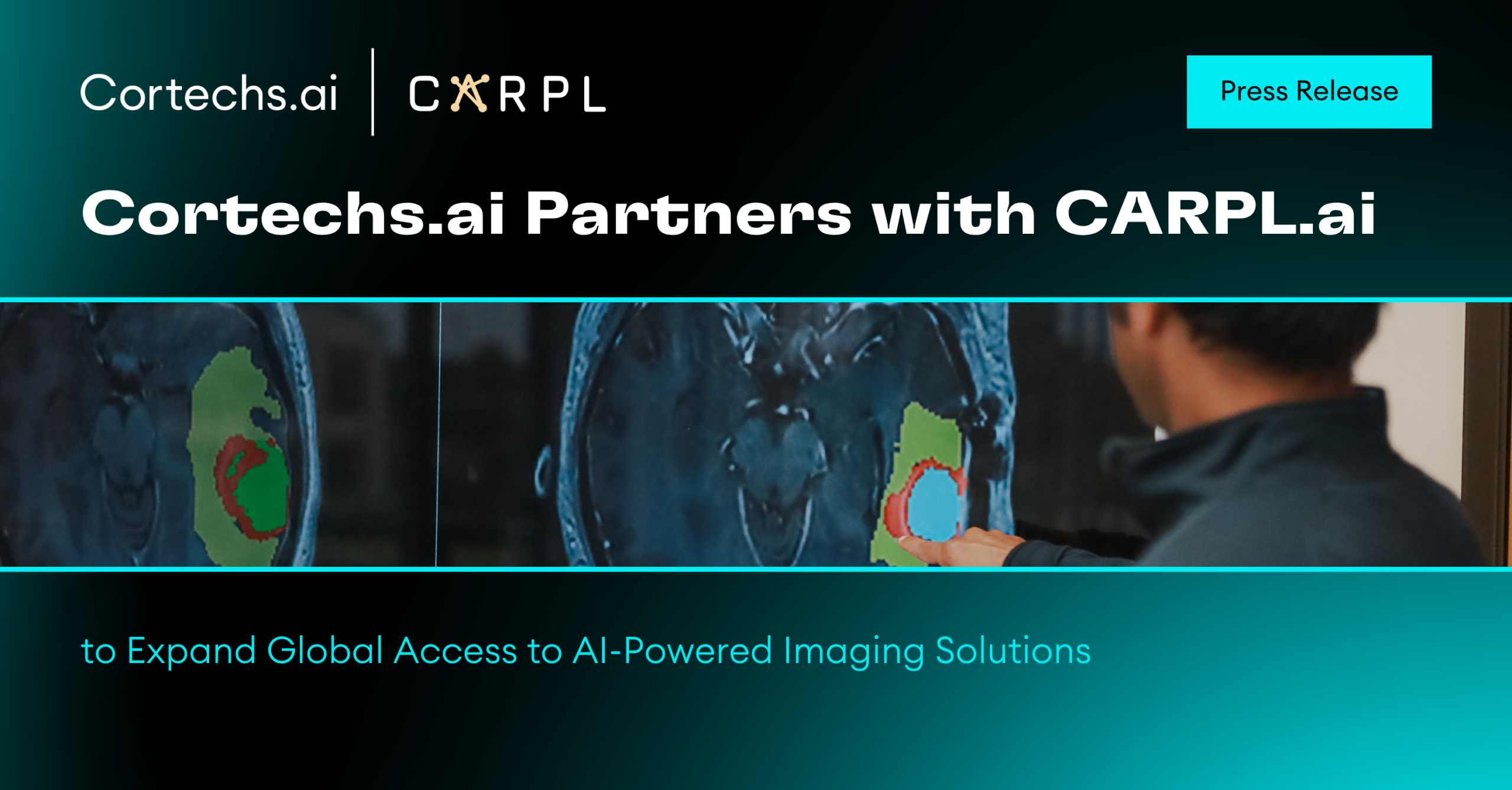
Among the many abstracts presented, one stood out: “Stereotactic radiation versus hippocampal avoidant whole brain radiation in patients with 5-20 brain metastases: Cognitive outcomes of 12-month survivors” (link). This work highlights the importance of stereotactic radiation in treatment of patients with large numbers of metastatic lesions. This underscores the utility of automated segmentation in streamlining radiotherapy workflows. By reducing manual effort and improving consistency, such tools can help clinicians focus on what matters most—patient care. NeuroQuant Brain Tumor provides that automation, not as a convenience, but as a critical enabler for efficiency and accuracy in treatment planning.
The Evolving Landscape of Pediatric Low-Grade Gliomas
Another highlight was the talk titled “The Evolving Landscape of Pediatric Low-Grade Gliomas.” This session emphasized the growing need for equitable access to advanced care and tools for pediatric patients. As treatment paradigms shift toward personalized approaches, ensuring that children benefit from the same technological advancements as adults is a priority. The discussion reinforced the role of imaging and segmentation tools in supporting early diagnosis and tailored interventions for this vulnerable population.
Looking Ahead
SNO 2025 reminded us that progress in neuro-oncology is a collective effort. By fostering collaboration and embracing innovation, we can continue to push boundaries and deliver better outcomes for patients worldwide. At Cortechs.ai, we remain committed to supporting clinicians with tools that make precision care possible.