Automated volumetry for prediction of MMSE and CDR decline

High-throughput, fully automated volumetry for prediction of MMSE and CDR decline in mild cognitive impairment

This study examined whether measures of hippocampus, amygdala, and temporal horn volume predict clinical decline over the following 6-month period in patients with mild cognitive impairment (MCI). Fully automated volume measurements were performed in 269 MCI patients. Baseline volumes of the hippocampus, amygdala, and temporal horn were evaluated as predictors of change in Mini-mental State Examination and Clinical Dementia Rating Sum of Boxes over a 6-month interval. Fully automated measurements of baseline hippocampus and amygdala volumes correlated with baseline delayed recall scores. (2009).

[button]Download[/button]

More Resources

08/19/2026

Brain Metastases Imaging Insights from SNO/ASCO 2026

Explore key insights from SNO/ASCO 2026 on brain metastases imaging, including lesion tracking, volumetric analysis, SRS workflows, and automated segmentation.

08/18/2026

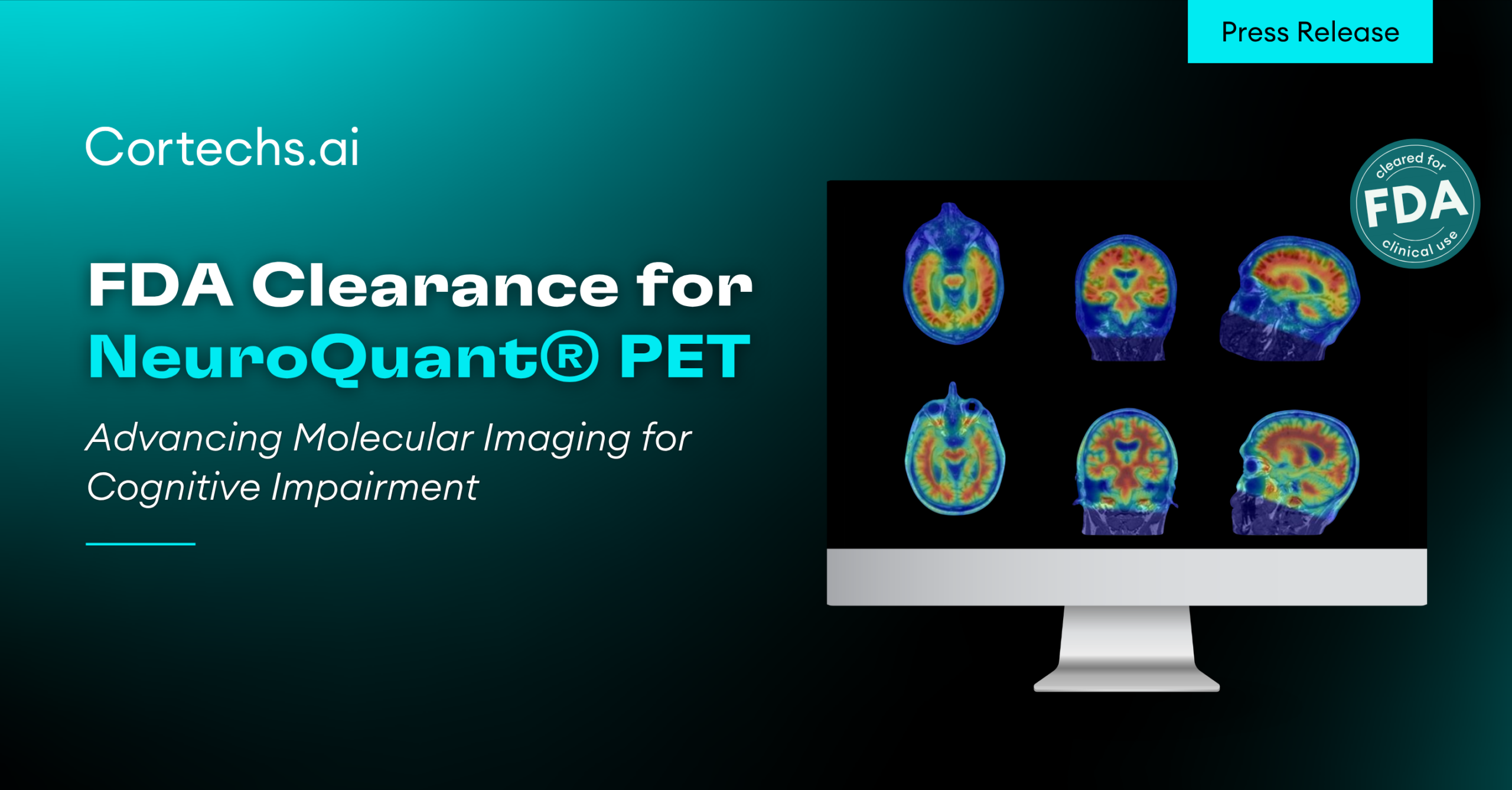
Cortechs.ai Announces FDA Clearance for NeuroQuant® PET: Advancing Molecular Imaging for Cognitive Impairment

NeuroQuant® PET receives FDA 510(k) clearance, advancing quantitative PET imaging for cognitive impairment.

08/04/2026

Cortechs.ai Expands European CE Marking Across AI Imaging Platform, Accelerating Global Growth

Cortechs.ai expands EU CE Marking for the latest NeuroQuant®, NeuroQuant® Brain Tumor, and OnQ™ Prostate, advancing global AI imaging innovation

07/29/2026

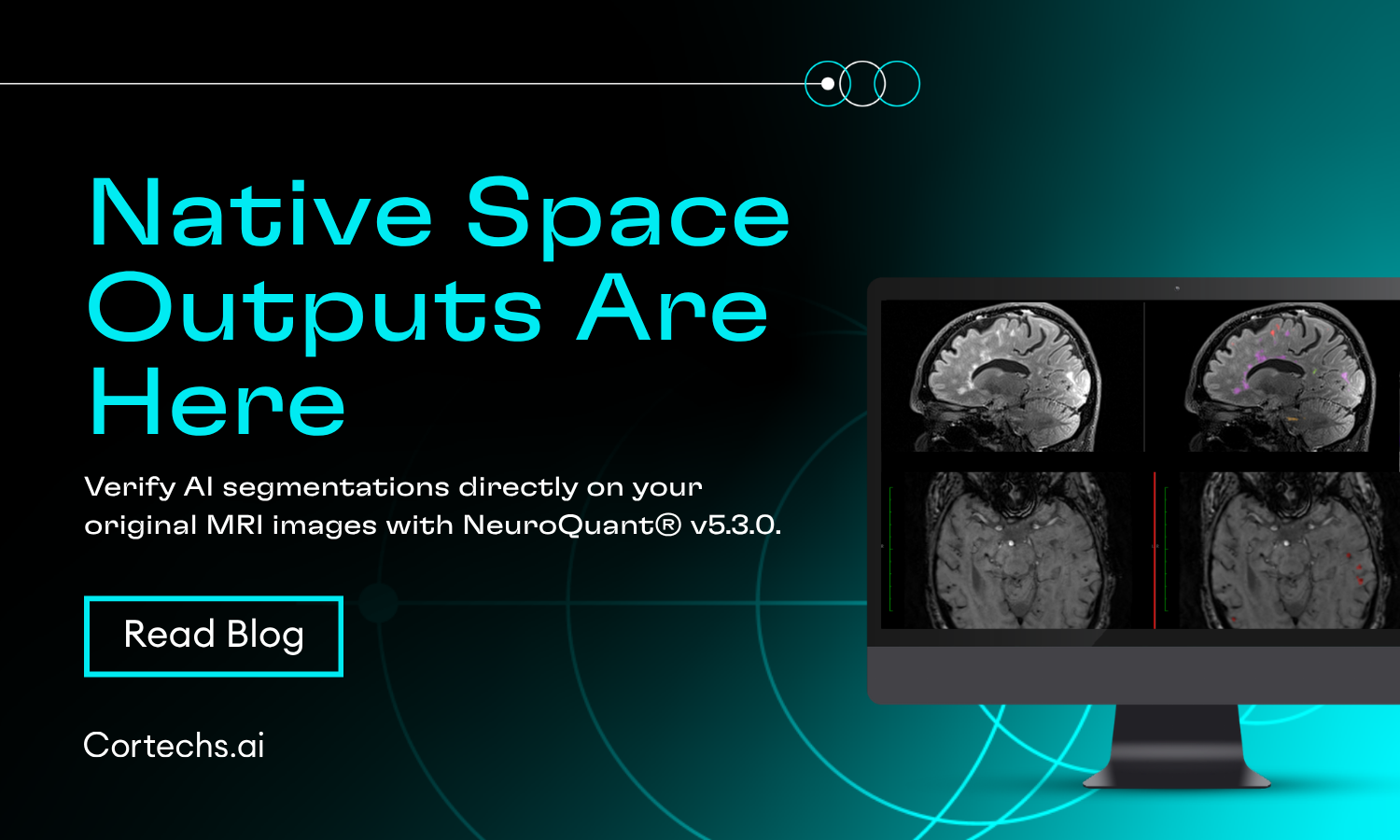
Read Your Segmentations in the Same Space You Read the Study: Native Space Outputs in NeuroQuant v5.3.0

Review lesion segmentations directly on your original MRI images with NeuroQuant® v5.3.0.

07/23/2026

What AAIC 2026 Told Us About the Future of Dementia Imaging — And Where NeuroQuant Fits

Quantitative MRI brain volumetry with NeuroQuant.

07/09/2026

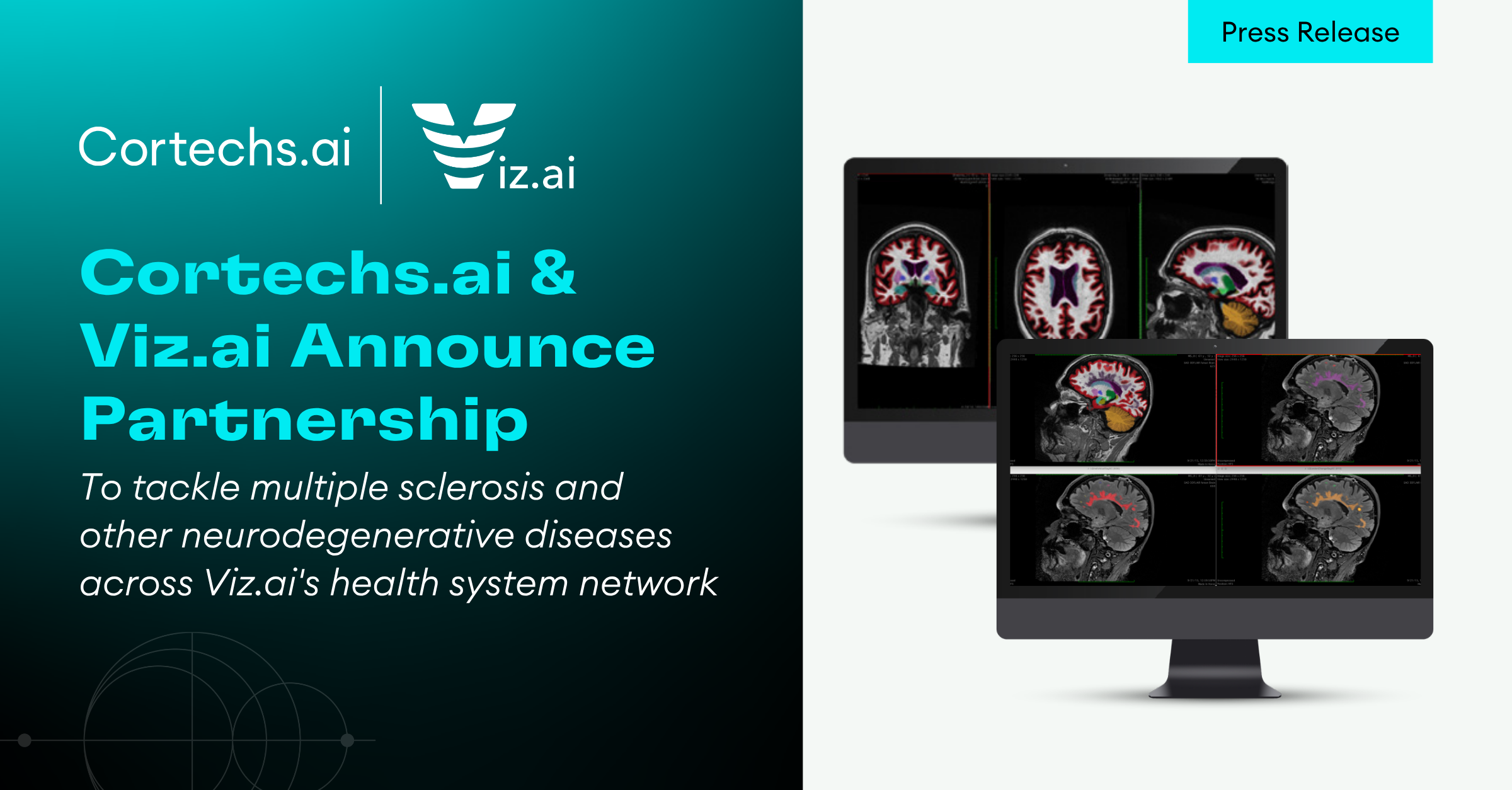
Viz.ai Expands into Neurodegenerative Disease with Cortechs.ai Collaboration

Cortechs.ai and Viz.ai partner to tackle multiple sclerosis and other neurodegenerative diseases across Viz.ai’s health system network
Scroll to Top