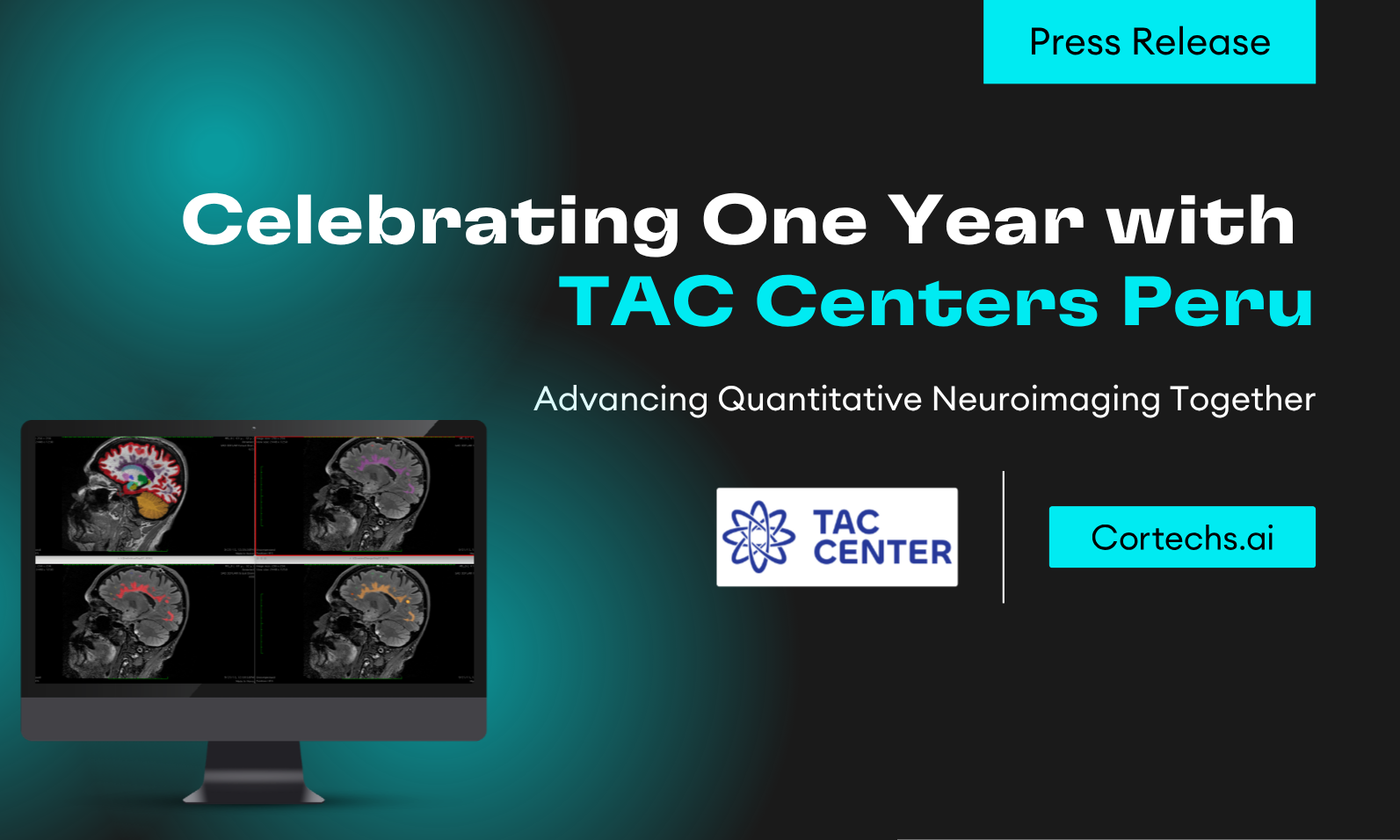
As artificial intelligence (AI) continues to reshape the healthcare landscape, it’s becoming increasingly important for healthcare students to familiarize themselves with these advancements. From AI-powered diagnostic tools to predictive algorithms, the potential applications of AI are vast, and students who gain early exposure to these technologies will be better prepared for their future careers.
AI in Healthcare Learning
AI has become a central topic in medical education, and with good reason. Learners today are different from past generations—they are digital natives who prefer social and collaborative learning environments. AI can help meet these needs by offering more interactive and personalized learning experiences. For example, AI tools like virtual inquiry systems and simulations allow students to practice clinical decision-making in a risk-free environment, honing their diagnostic skills without compromising patient safety. Additionally, AI-integrated learning tools such as chatbots, intelligent tutoring systems (ITS), and adaptive learning systems have emerged, enabling students to receive instant feedback and tailored support, ultimately enhancing their understanding of complex medical concepts.
Incorporating AI in the curriculum doesn’t just improve the learning process but also addresses critical skill gaps in medicine. As Wartman et al. noted, medical education systems need to shift focus from fact-based memorization to fostering skills like problem-solving, communication, and collaboration—all of which can be enhanced by AI. Tools like NeuroQuant give students hands-on experience with real-world cases, preparing them to work with AI-assisted technologies in their professional careers. AI helps students learn faster, identify knowledge gaps, and receive tailored feedback, making the learning process more dynamic and efficient. Furthermore, as Narayanan et al. highlights, virtual patient simulations and gamified learning environments engage students in interactive, risk-free clinical practice, improving diagnostic reasoning and collaborative efforts.
Why AI Should Be in the Curriculum:
Incorporating AI into healthcare education is no longer optional—it’s essential. As AI becomes more integrated into medical diagnostics and patient care, healthcare professionals need to understand its capabilities and limitations. Schools like Stanford University and Johns Hopkins University are already incorporating AI-based projects into their curricula, focusing on real-world applications like care-enhanced technologies and decision-support systems. By introducing AI early in their training, educational institutions can ensure that students are not only familiar with traditional medical practices but also equipped to use the cutting-edge tools that will define the future of healthcare.
For example, virtual patients and augmented reality simulations can provide realistic clinical scenarios, allowing students to diagnose and treat conditions without endangering actual patients. AI-powered educational tools can also help personalize learning by adapting to each student’s pace and knowledge gaps, fostering a deeper understanding of complex medical topics. In addition, AI can streamline administrative tasks like curriculum assessment and feedback, making the entire education system more efficient and data-driven.
Ethical Implications and Limitations of AI in Medical Education
While AI offers numerous benefits, it also brings ethical concerns and limitations that must be addressed in medical education. One key challenge is ensuring that AI systems are transparent and free of bias. As noted in Mir et al., AI algorithms are only as good as the data they are trained on, and bias in these datasets can lead to unfair or discriminatory outcomes. For example, an AI system trained on biased data may favor certain groups over others in diagnostic recommendations. To mitigate this risk, students must be taught how to critically evaluate AI outputs and understand the ethical implications of using AI in healthcare.
Another limitation is that AI cannot replace the humanistic aspects of medicine. While AI can enhance problem-solving and diagnostic capabilities, the ability to empathize with patients and consider their psychosocial needs is something that cannot be fully replicated by machines. As future healthcare professionals, students need to balance their reliance on AI with strong interpersonal skills, ensuring that they provide compassionate, patient-centered care.
Lastly, educators must also ensure that students understand the importance of data privacy and consent when working with AI systems. AI applications like machine learning models often rely on large datasets that include sensitive patient information. Students must be trained to handle this data responsibly, ensuring compliance with ethical and legal standards to protect patient privacy.
Conclusion
In conclusion, AI is set to revolutionize healthcare education, offering new ways for students to learn, diagnose, and interact with patient data. Incorporating AI into the curriculum will not only prepare students for the rapidly evolving healthcare landscape but also equip them with the tools to provide better, more informed patient care. However, it’s equally important to address the ethical challenges that come with AI, ensuring that students are taught to navigate its limitations and use it responsibly. By integrating AI into their training, healthcare students can develop the skills they need to succeed in a digital world while maintaining the human touch that remains essential to medical practice.
Citations:
Mir, M. M., Mir, G. M., Raina, N. T., Mir, S. M., Mir, S. M., Miskeen, E., Alharthi, M. H., & Alamri, M. M. S. (2023). Application of Artificial Intelligence in Medical Education: Current Scenario and Future Perspectives. Journal of advances in medical education & professionalism, 11(3), 133–140. https://doi.org/10.30476/JAMP.2023.98655.1803
Narayanan, S., Ramakrishnan, R., Durairaj, E., & Das, A. (2023). Artificial Intelligence Revolutionizing the Field of Medical Education. Cureus, 15(11), e49604. https://doi.org/10.7759/cureus.49604